Which HQD Vape Should You Actually Buy in Australia?
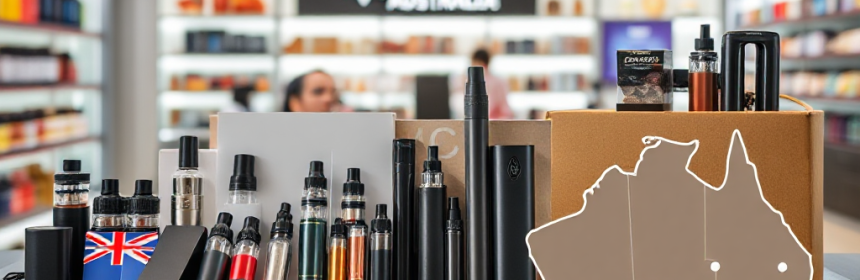
Which HQD Vape Should You Actually Buy in Australia?
The most common mistake people make when buying an HQD vape is starting with the flavour list instead of their own requirements. They scroll through dozens of bright, appealing flavour names, pick one that sounds nice, and only then discover the device is far stronger, puffier, or shorter-lasting than they wanted. That order of operations is backwards, and it is the single biggest reason people end up with a drawer full of half-used devices they never touch again.
I have spent a fair amount of time testing HQD devices properly rather than just puffing one and forming an opinion. That means charging them fully, running them down to the last draw, comparing them side by side on the same day, and noting how they behave after a week in a pocket. What follows is the realistic comparison I wish more buyers saw before they clicked add to cart. Requirements come first, then the procedure for choosing, then the checks that separate a good purchase from a regretted one.
What HQD Actually Offers and How to Choose Between the Options
HQD is one of the better-known names in the disposable and pod-style segment, and that recognition is earned rather than accidental. The brand has built a reputation on compact, pocket-friendly devices with consistent draw quality and a flavour range that leans fruity and sweet. For anyone shopping for disposable vapes Australia buyers actually keep coming back to, HQD sits comfortably in the conversation alongside the other big names.
But “HQD” is not one product. It is a family of devices that differ in puff count, battery capacity, nicotine strength, rechargeability, and physical size. Treating them as interchangeable is where most of the disappointment comes from. Here is how the realistic options break down when you strip away the marketing.
The compact, low-commitment option
These are the small, light devices designed to disappear into a pocket or a coin tray. They typically deliver a moderate puff count and are not rechargeable. The appeal is obvious: low upfront cost, no charging cable, no maintenance. The trade-off is equally obvious. Once the battery or the e-liquid runs out, whichever happens first, the device is done. If you vape steadily through the day, you may find yourself finishing one faster than expected.
This category suits someone who wants a backup device, someone who vapes occasionally, or someone testing a flavour before committing to a larger format. It is a poor fit for a heavy daily user who wants to charge once and forget about it.
The mid-range, rechargeable option
This is where most buyers should probably land. These devices offer a higher puff count, a USB-C charging port, and a battery that can be topped up partway through the device’s life. The practical difference is significant. Instead of watching the last quarter of the e-liquid sit there unusable because the battery died, you plug it in, wait a short while, and keep going.
Rechargeability changes the economics. A device that costs a little more upfront but can be fully drained will often deliver better value per puff than a cheaper non-rechargeable one you abandon early. This is the option I would point most regular vapers toward first.
The larger, higher-capacity option
These are the devices with the biggest puff counts and the largest batteries. They are heavier, bulkier, and less discreet, but they last. If you are someone who dislikes constantly swapping devices, or you travel and do not want to think about supply for a week, this category makes sense.
The catch is that a larger device with a flavour you only half-like is a much more expensive mistake than a small one. Which brings us to the procedure.
Step one: fix your nicotine requirement before anything else
Nicotine strength is the requirement that overrides everything else. A device that is perfect in every other respect but far too strong for you will not get used. HQD devices are available in different strengths, and the right one depends on how much you currently vape and how harsh a throat hit you are comfortable with. If you are stepping down from a stronger habit, choose accordingly. If you are new to vaping, err on the lighter side. You can always move up; you cannot un-buy a device that hits too hard.
Step two: decide whether you need rechargeable
Ask yourself honestly how you use a device. If it lives in a bag and comes out a few times a day, non-rechargeable is fine. If it is in your hand through the working day, rechargeable is not a luxury, it is a basic requirement. This single decision eliminates roughly half the range and makes the rest of the comparison much simpler.
Step three: match puff count to your actual usage
Puff counts are a useful guide, not a guarantee. Real-world puff counts depend on draw length, how often you vape, and how warm the device runs. Use the advertised figure as a relative ranking rather than an exact number. A device advertised at a higher count will generally outlast one advertised lower, but do not expect the last puff to arrive exactly on schedule.
Step four: choose flavour last
Only once the device format is settled should flavour come into it. This is the reversal of how most people shop, and it is the reason so many devices get abandoned. Flavour matters, but it is a preference layered on top of a functional decision, not the foundation of it.
Step five: buy from a source that actually stocks the range
Availability shapes choice more than people admit. If you can only find two flavours in the format you want, your carefully reasoned shortlist collapses. Working with a retailer that carries the full spread of brands and formats gives you room to actually apply the comparison rather than settling for whatever is left. This is also where authenticity matters. Counterfeit disposables are a real problem, and a device that looks right but performs inconsistently is usually a sign you bought from the wrong place.
For Australian buyers, the practical route is a local online retailer with a genuine range and reliable delivery. Shops that carry vape australia customers can order with confidence tend to stock the recognised brands side by side, which makes comparison shopping far easier than hunting across multiple sites. If you are also weighing up other well-known names, it helps to see how Iget vape Australia options compare on puff count and rechargeability, because the same requirements-first logic applies across brands.
It is worth noting that the broader market has shifted toward variety. Buyers who once stuck to a single brand now routinely compare across several, and formats like the alibarbar vape Australia range have added genuine alternatives at similar price points. That competition is good for you as a buyer, but only if you approach it with a clear set of requirements rather than a flavour-first reflex.
What to Check Before You Commit and How to Judge the Device After It Arrives
Choosing well is half the job. The other half is verifying that what arrived matches what you expected, and knowing what to look at once you start using it. These are the checks that separate a considered purchase from a hopeful one.
Check one: authenticity and packaging
Before you puff anything, look at the packaging. Genuine devices have clean, legible printing, consistent branding, and a batch or verification code where applicable. Spelling errors, blurry logos, or a box that feels flimsy are warning signs. If something looks off, do not use it. The cost of a returned device is trivial compared to the cost of vaping something of unknown origin.
Check two: the draw on first use
The first few draws tell you a lot. A genuine HQD device should deliver a smooth, consistent draw without gurgling, spitting, or a burnt taste. Gurgling usually means the device has been stored badly or is a poor unit. A burnt taste on a brand-new device is a red flag, not something to push through. If you notice either, stop and contact the retailer.
Check three: battery behaviour
On a rechargeable device, watch how the battery behaves across the first charge cycle. It should charge in a reasonable time and hold its charge without dropping off a cliff. A device that loses most of its charge in a few hours is either faulty or not what it claimed to be. Note how long the first full charge lasts, because that is your baseline for judging the rest of the device’s life.
Check four: flavour consistency
Flavour should be consistent from the first draw to roughly the last quarter. Some fading near the end is normal. A device that tastes noticeably different on day two than day one, or that changes character halfway through, is worth flagging. Consistency is one of the things you are paying for with a recognised brand, and it is one of the clearest signals of authenticity.
Check five: how it handles real life
A device that performs well on a desk may behave differently in a pocket, in a car, or in cold weather. Give it a few days of normal use before you decide. Leaking in a warm car, a mouthpiece that works loose, or a device that fires unintentionally in a bag are all practical problems that do not show up in a five-minute test. This is why I do not form a view on a disposable until I have carried it around for at least a week.
Check six: the value per puff, not the sticker price
Once you have a device you like, do the arithmetic. Divide the price by the realistic puff count you actually got, not the advertised one. A cheaper device that you abandon half-full is more expensive per puff than a pricier rechargeable one you drain completely. This is the calculation that should drive your repeat purchases, and it almost always favours the rechargeable mid-range option for regular users.
Check seven: the supply chain behind it
Finally, check that you can reliably get the same device and flavour again. A great device you cannot reorder is a one-off, not a routine. This is where buying from an established Australian retailer pays off. Consistent stock, Australia-wide shipping, and clear delivery terms mean you are not gambling on availability every time you need a replacement. A retailer with a genuine range, sensible shipping thresholds, and a stable catalogue is worth more than a marginally lower price from an unreliable source.
If you are ordering several devices at once, it is also worth checking whether the retailer offers any order incentives, since buying in slightly larger batches often works out better per unit than ordering one at a time. Just be sure you are buying formats and flavours you have already tested, not experimenting in bulk.
Putting the comparison together
Here is the realistic summary. If you vape occasionally and want something small and simple, the compact non-rechargeable option is fine, provided you accept the limited lifespan. If you vape daily, the rechargeable mid-range device is almost always the better buy, because you can drain it fully and the cost per puff is lower. If you travel or dislike swapping devices, the larger high-capacity option earns its bulk. Flavour is the last decision, not the first, and authenticity checks come before the first puff, not after.
The mistake at the top of this article, choosing by flavour and hoping the rest works out, is easy to avoid once you flip the order. Requirements first: nicotine strength, rechargeability, puff count, then flavour, then source. Do that and the device you end up with is one you will actually finish, reorder, and stop second-guessing.
HQD has earned its place in the disposable market because the devices are consistent, compact, and available in a genuinely broad flavour range. But no brand can compensate for a purchase made in the wrong order. Decide what you need before you decide what sounds nice, verify what arrives, judge it over a week rather than an afternoon, and buy from a source that will still have your device in stock next month. That is the whole procedure, and it works the same way whether you are buying your first HQD or your twentieth.